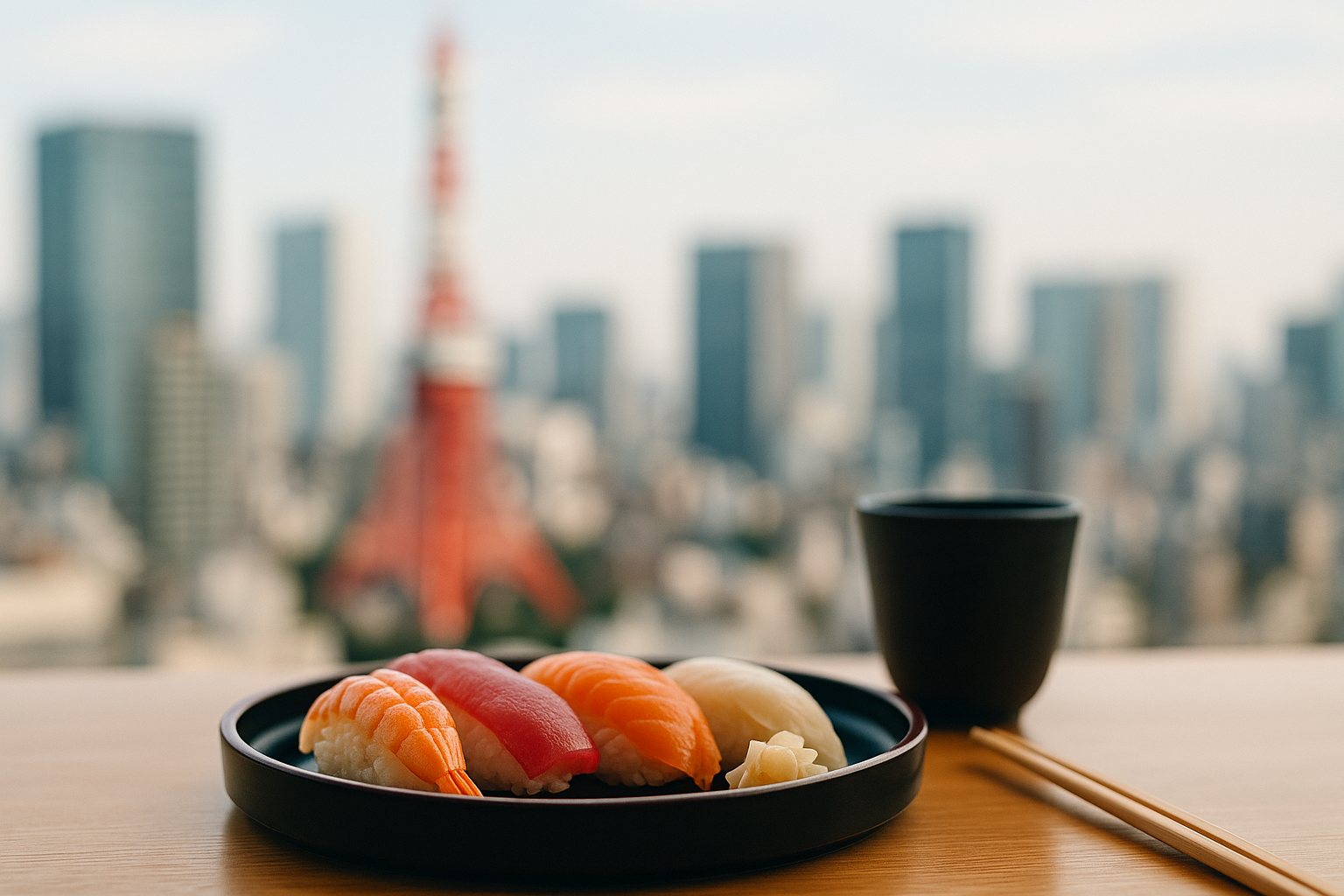
Tokyo hits different when you only have 48 hours. There’s no time for leisurely wandering or second-guessing your restaurant choice. Every moment counts in a city where ancient temples sit blocks away from neon-lit skyscrapers, where Michelin-starred sushi counters share streets with hole-in-the-wall ramen shops, and where you can experience 400 years of history before lunch and dive into the future by dinner. This isn’t about seeing everything – that’s impossible. This is about experiencing the essence of Tokyo in two perfectly planned days.
The key to maximizing your time in Japan’s electric capital is understanding its rhythm. Tokyo rewards the early riser, the adventurous eater, and the curious explorer. With strategic planning and insider knowledge, 48 hours is enough to fall completely, irrevocably in love with this city. Here’s exactly how to do it, from the moment you arrive to your last bowl of noodles before heading to the airport.
Day One Morning: Tsukiji, Senso-ji, and Traditional Tokyo
Start your first day at 5:30 AM at the Tsukiji Outer Market. Yes, the famous tuna auction moved to Toyosu, but Tsukiji’s outer market remains the beating heart of Tokyo’s food culture. The narrow lanes buzz with energy as chefs negotiate with fishmongers, and the smell of grilling seafood fills the air. Skip the overpriced “tourist breakfast sets” and instead grab fresh tamagoyaki (sweet rolled omelet) from Tsukiji Yamachou, where locals queue before dawn. Follow it with the freshest uni (sea urchin) you’ll ever taste from one of the standing sushi counters.
By 7:30 AM, the market gets crowded. This is your cue to head to Asakusa, about 20 minutes away by subway. Senso-ji Temple in the early morning offers a completely different experience than midday when tour groups descend. The massive red lantern at the Kaminarimon Gate makes for stunning photos without crowds blocking your shot. Walk through Nakamise Shopping Street while vendors are still setting up – some will already be offering fresh senbei (rice crackers) and ningyo-yaki (small cakes filled with red bean paste).
Spend an hour exploring the temple grounds, watching locals pray and cleanse themselves in the incense smoke. The five-story pagoda and the main hall showcase traditional Japanese architecture at its finest. Before leaving Asakusa, stop at a traditional kissaten (old-school coffee shop) like Angelus for a perfectly brewed cup and thick-cut toast with butter and jam – a Japanese breakfast classic that somehow tastes better here than anywhere else.
Day One Afternoon: Harajuku, Shibuya, and Modern Culture
By 10:30 AM, take the subway to Harajuku. Sunday mornings bring out the most creative street fashion, but any day offers a glimpse into Tokyo’s youth culture. Start at the serene Meiji Shrine, a stark contrast to Senso-ji’s vibrant atmosphere. The massive torii gates and gravel paths through dense forest make you forget you’re in the middle of one of the world’s largest cities. The shrine itself honors Emperor Meiji and Empress Shoken, and if you’re lucky, you might witness a traditional Shinto wedding procession.
Exit the shrine toward Takeshita Street, the epicenter of kawaii culture. The narrow pedestrian lane explodes with color – crepe stands, clothing boutiques selling everything from Lolita fashion to streetwear, and shops dedicated entirely to character goods. It’s overwhelming and wonderful. Grab a rainbow cotton candy that’s bigger than your head, or try a savory crepe filled with teriyaki chicken and vegetables from Marion Crepes.
Walk 10 minutes to Omotesando, Tokyo’s answer to the Champs-Elysées. The wide, tree-lined avenue features flagship stores designed by world-renowned architects. Even if you’re not shopping, the architecture alone is worth the stroll. Duck into the backstreets of Omotesando for lunch at one of the hidden restaurants. For something uniquely Japanese, try sushi at a kaiten (conveyor belt) restaurant, or experience a traditional kaiseki lunch set.
By mid-afternoon, head to Shibuya. Time your arrival for around 3 PM to see the famous scramble crossing in action, but before the evening rush hour madness. The view from the Starbucks in Shibuya Tsutaya is classic, but for a better perspective, head to the Shibuya Sky observation deck or the free viewing platform in the Magnet building. Watch thousands of people cross in perfect organized chaos – it’s mesmerizing.
Day One Evening: Shinjuku and Tokyo After Dark
As the sun sets, make your way to Shinjuku, just two stops from Shibuya. This is where Tokyo’s energy reaches peak intensity. Start at the Tokyo Metropolitan Government Building’s free observation decks on the 45th floor. The sunset views across the sprawling metropolis, with Mount Fuji visible on clear days, provide context for just how massive Tokyo really is.
Descend back to ground level and enter Omoide Yokocho, also known as “Piss Alley” (though it’s been cleaned up considerably). These narrow lanes packed with tiny yakitori joints represent old Tokyo at its finest. Choose any spot that looks busy with locals – you can’t go wrong. Order skewers of various chicken parts, some you’ll recognize and some you won’t, all grilled to perfection over charcoal. Wash it down with ice-cold beer or highballs.
After dinner, explore the neon wonderland of Kabukicho, Tokyo’s famous entertainment district. You don’t need to enter any establishments (many cater to specific clientele and can be pricey for tourists), but walking through the area as thousands of lights illuminate the streets is an essential Tokyo experience. The energy is electric, the people-watching is phenomenal, and the whole scene feels like stepping into a cyberpunk movie.
End your first night at Golden Gai, a small area of six narrow alleys containing over 200 tiny bars, each seating 5-10 people. Some bars have cover charges and themes, while others welcome walk-ins. Albatross is tourist-friendly and offers a good introduction to the Golden Gai experience. Squeeze into a seat, order a whisky, and chat with the bartender or fellow patrons about your Tokyo adventures so far.
Day Two Morning: Tsukiji Redux, Ginza, and the Imperial Palace
Your second day starts in Ginza, Tokyo’s luxury shopping district. Before the department stores open at 10 AM, the area has a calm, sophisticated atmosphere. Have breakfast at one of the elegant kissaten or grab a convenience store onigiri and coffee – even Family Mart’s offerings are surprisingly good and perfect for eating while walking through the manicured streets.
Visit the Imperial Palace East Gardens, which open at 9 AM. These are the only parts of the palace grounds freely accessible to the public without advance reservation. The gardens showcase traditional Japanese landscaping, stone walls, and moats, with excellent views of the palace buildings. The contrast between the ancient grounds and the modern skyscrapers forming the backdrop creates a uniquely Tokyo scene.
Return to Ginza for late morning shopping or window shopping. Even if luxury brands aren’t your thing, stores like Dover Street Market Ginza offer cutting-edge fashion curation, while Itoya has nine floors dedicated to stationery that will make you rethink what paper products can be. The basement food halls (depachika) of department stores like Mitsukoshi or Matsuya deserve exploration – the presentation of food is art, and free samples abound.
Mid-Morning Cultural Detour
If art interests you more than shopping, substitute the Mori Art Museum in Roppongi Hills or the teamLab Borderless digital art museum in Odaiba. Both offer experiences you won’t find elsewhere. TeamLab particularly showcases Tokyo’s fusion of technology and creativity, with immersive installations that respond to your presence and movement.
Day Two Afternoon: Akihabara, Ueno, or Your Choice District
Your afternoon depends on your interests. Akihabara, the electric town, is paradise for anyone interested in anime, manga, video games, or electronics. Multi-story arcades, maid cafes, electronics shops, and stores selling every manga and anime product imaginable create sensory overload in the best way. Don’t miss Super Potato for retro gaming nostalgia or Mandarake for rare collectibles.
Alternatively, Ueno offers a more cultural afternoon. Ueno Park houses multiple museums, including the Tokyo National Museum with the world’s largest collection of Japanese art, and the National Museum of Western Art designed by Le Corbusier. The park itself is lovely for strolling, especially around Shinobazu Pond. Nearby Ameya-Yokocho is a bustling market street where you can buy everything from fresh seafood to discount cosmetics while practicing your bargaining skills.
For a completely different vibe, consider Shimokitazawa, a bohemian neighborhood of narrow streets, vintage clothing shops, record stores, small theaters, and cozy cafes. It feels like a village within the metropolis and offers the most relaxed atmosphere you’ll find in central Tokyo. The neighborhood’s laid-back character provides a perfect contrast to Tokyo’s typically frenetic energy.
Day Two Evening: Ramen, Robots, and Final Tokyo Moments
For your last Tokyo dinner, ramen is non-negotiable. Tokyo has several distinct ramen styles, but the shoyu (soy sauce) ramen at shops like Kagari in Ginza or Tsuta (the first ramen shop to earn a Michelin star) represents Tokyo’s version at its finest. The deeply flavored broth, perfectly cooked noodles, and precisely chosen toppings demonstrate why ramen is considered an art form. Alternatively, try tsukemen (dipping noodles) at Fuunji in Shinjuku for a different but equally satisfying experience.
If you have energy left and want one last uniquely Tokyo experience, the Robot Restaurant in Shinjuku offers an absolutely bonkers show involving giant robots, lasers, dancers, and loud music. It’s touristy, expensive, and completely over-the-top – and also unlike anything else on Earth. Alternatively, spend your final evening in a neighborhood you haven’t fully explored, perhaps returning to a favorite spot from day one.
For a quieter ending, consider an onsen (hot spring bath) experience at a sento (public bathhouse) or modern onsen facility like Thermae-Yu in Shinjuku or Oedo Onsen Monogatari in Odaiba. After two days of constant movement, soaking in hot mineral water provides the perfect physical and mental reset before your departure.
Late Night Final Bites
Tokyo never truly sleeps, and some of the best food happens late. If you’re hungry after your evening activities, izakayas stay open late serving small plates and drinks. Torikizoku is a reliable chain where everything costs 298 yen, making it easy to try multiple dishes without worrying about the bill. For something sweeter, convenience stores stock amazing desserts – the strawberry shortcake from any konbini rivals what you’d find in many bakeries worldwide.
Essential Tokyo Survival Tips
Navigation in Tokyo is easier than you’d think. Get a Suica or Pasmo card at any station – these rechargeable IC cards work on all trains, subways, buses, and even some vending machines and stores. The train system looks complicated but is incredibly punctual and efficient. Google Maps works perfectly for routing and even tells you which train car to board for easiest transfers.
Cash still rules in Tokyo despite its technological advancement. Many small restaurants, shops, and even some larger establishments don’t accept cards. ATMs at 7-Eleven convenience stores accept most foreign cards and have English language options. Withdraw enough cash for each day, plus extra for emergencies.
Language barriers are manageable. Learn basic phrases like “sumimasen” (excuse me), “arigato gozaimasu” (thank you), and “oishii” (delicious). Most restaurants have plastic food displays or picture menus. Translation apps work well when needed. Japanese people are generally incredibly helpful, even if neither of you speaks the other’s language.
Tipping doesn’t exist in Japan – it can actually be considered rude. The price you see is what you pay. Service is impeccable everywhere without any expectation of additional payment. Similarly, eating while walking is generally frowned upon (except in festival settings). Find a spot to stand still if you’re eating street food.
Timing matters significantly. Rush hour on Tokyo trains (7:30-9:30 AM and 5:30-7:30 PM) is notorious and best avoided with luggage. Popular attractions get mobbed on weekends. Early mornings consistently provide the best experiences at most locations. Strategic timing can make or break your Tokyo itinerary.
Making Every Moment Count
Two days in Tokyo means making choices. You can’t see everything, eat everywhere, or explore every neighborhood. That’s actually liberating – instead of frantically checking boxes, you can be present for the experiences you do have. The perfectly charred yakitori, the moment the scramble crossing lights change and thousands move as one, the quiet contemplation at a shrine, the overwhelming sensory explosion of Akihabara – these moments create a Tokyo that’s yours alone.
The city’s magic lies not just in its famous attractions but in the small discoveries. The vending machine on a random corner selling hot corn soup. The impeccably dressed businessman eating ramen at midnight. The meticulous care in how a convenience store clerk bags your purchases. The moment you successfully navigate the train system without checking your phone. These micro-moments between the planned activities often become the memories that stick.
Don’t try to do everything on this itinerary if something else captures your interest. Found a neighborhood you love? Stay longer. Discovered an amazing shop? Browse properly instead of rushing. Tokyo rewards spontaneity as much as planning. The itinerary provides structure, but your instincts should guide the details.
Before you know it, 48 hours will vanish like a dream. You’ll board your train to the airport already planning your return trip, already making mental lists of places you missed and foods you need to try next time. That’s the thing about Tokyo in two days – it’s enough time to fall in love, but nowhere near enough time to see everything. And that’s exactly why you’ll come back.

Leave a Reply