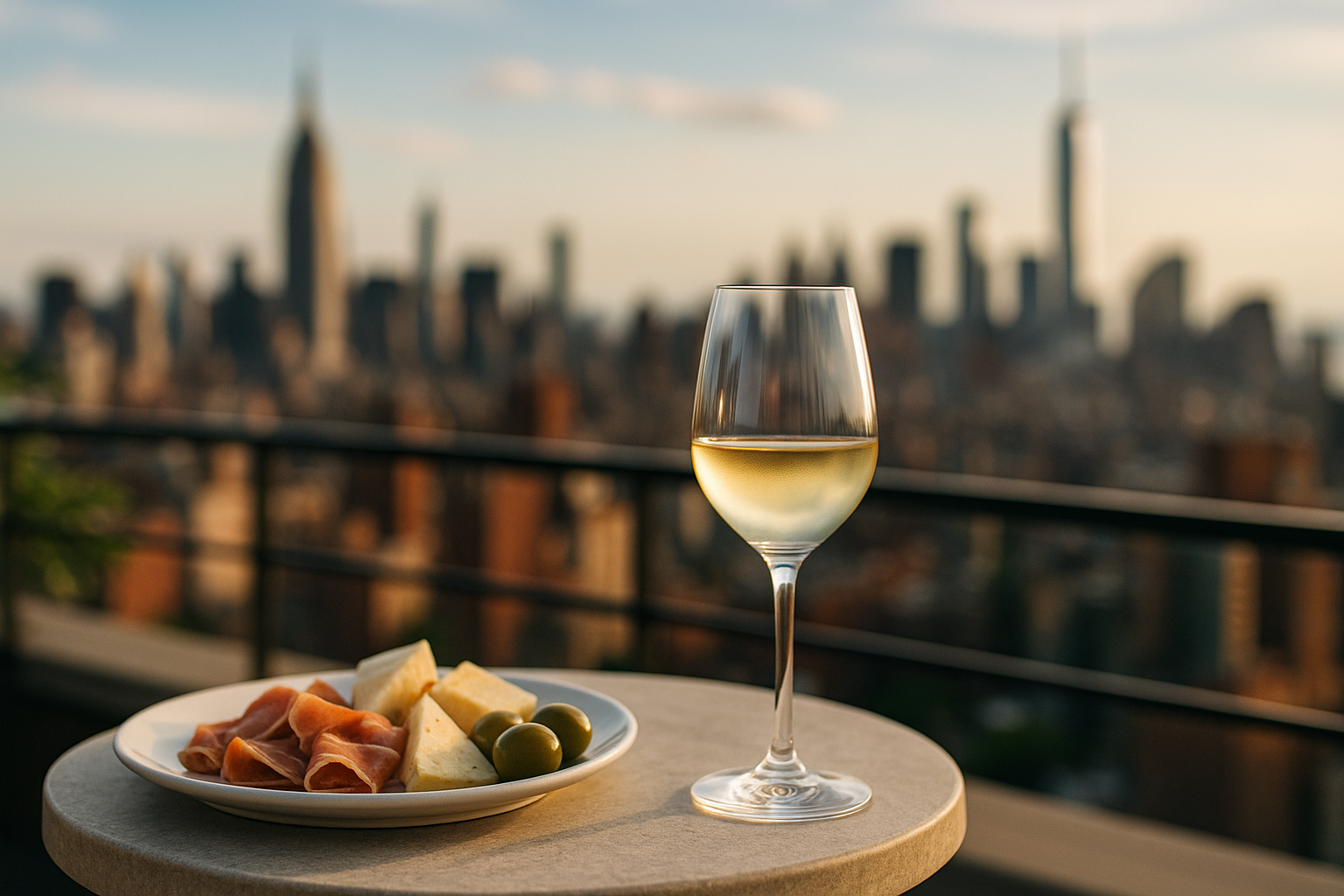
There’s something almost primal about the desire to climb higher, to see the world from above. Maybe it’s the same instinct that drove ancient civilizations to build towers and temples on mountaintops. Today, that urge finds its perfect expression in rooftop venues scattered across the globe, where you can sip a cocktail while watching the sun paint city skylines in shades of amber and rose. These elevated spaces offer more than just views – they provide a moment of separation from the chaos below, a chance to literally rise above it all and see the world from a different perspective.
From Singapore’s futuristic skyline to Bangkok’s glittering Buddhist temples, from Manhattan’s iconic architecture to Dubai’s audacious engineering, the world’s best rooftop destinations prove that height changes everything. The same city that feels overwhelming at street level transforms into an organized tapestry of light, movement, and geometry when viewed from dozens of stories up. Whether you’re planning your next adventure or simply dreaming of solo travel experiences that take your breath away, these sky-high escapes represent the pinnacle of urban exploration.
Singapore’s Marina Bay Sands: Engineering Meets Artistry
Perched 57 stories above Singapore’s financial district, the rooftop of Marina Bay Sands defies architectural logic. The massive SkyPark spans three towers like a surfboard resting on vertical pillars, creating one of the most recognizable silhouettes in modern architecture. Standing on this elevated platform, you’re treated to a 360-degree panorama that captures everything that makes Singapore extraordinary – the futuristic Supertree Grove at Gardens by the Bay, the elegant double helix bridge, and the historic colonial buildings that anchor the city’s heritage.
What sets this rooftop apart isn’t just the famous infinity pool (reserved for hotel guests) but the observation deck that lets any visitor experience this perspective. The view shifts dramatically depending on the time of day. Morning brings soft light filtering through tropical haze, revealing cargo ships dotting the harbor. Sunset transforms the scene into something almost surreal, with the golden hour reflecting off countless glass facades. Night is when Marina Bay truly comes alive, as the waterfront light show turns the skyline into a choreographed performance of color and movement.
The design itself is worth studying. Architect Moshe Safdie created a space that feels simultaneously massive and intimate, with careful landscaping and strategic sightlines that prevent the deck from feeling overcrowded even during peak tourist seasons. The engineering required to cantilever this structure 200 meters above ground pushes the boundaries of what’s possible, making it not just a viewing platform but a testament to human ambition.
Bangkok’s Lebua State Tower: Vertical Luxury in the City of Angels
Bangkok sprawls endlessly in every direction, a seemingly chaotic maze of ancient temples, modern shopping centers, street food vendors, and luxury hotels. From the 64th floor of Lebua State Tower, that chaos resolves into unexpected order. This is where the famous Sky Bar resides, a venue that gained international recognition after appearing in “The Hangover Part II” but deserves fame for reasons that go far beyond Hollywood.
The open-air design means there’s no glass barrier between you and the city below – just a low wall and 247 meters of empty air. It’s simultaneously thrilling and meditative. The Chao Phraya River snakes through the urban landscape like a vein of liquid silver, while the Grand Palace’s golden spires catch the last rays of sunlight. Temple bells and traffic noise drift upward as a distant soundtrack, reminding you that millions of lives unfold in the city beneath your feet.
What makes this rooftop exceptional is how it captures Bangkok’s duality. Looking one direction, you see ancient Siam – traditional architecture, river life that hasn’t changed in centuries, neighborhoods where the 21st century feels like a distant rumor. Turn around, and there’s modern Thailand in full force – glass towers, elevated highways, the relentless forward march of development. Few places let you hold both realities in your vision simultaneously.
The venue’s strict dress code (no shorts, no sandals) initially seems pretentious until you realize it’s part of creating an atmosphere that matches the setting. This isn’t a casual beer garden – it’s a space that asks you to slow down, dress up, and treat the experience as something worth savoring. According to experts ranking the world’s best rooftop venues, this attention to atmosphere separates truly great rooftop bars from merely high ones.
New York’s Top of the Strand: Classic Manhattan Sophistication
Manhattan has no shortage of rooftop bars, but Top of the Strand in Midtown captures something essential about New York that many flashier venues miss. From this 21st-floor perch, the Empire State Building dominates the southern skyline, close enough that you can count the floors, far enough that you appreciate its full Art Deco majesty. This is the New York of classic films and collective imagination – powerful, elegant, unapologetic about its ambition.
The rooftop itself practices restraint in a city known for excess. Simple furniture, strategic greenery, and an unpretentious menu let the view do the talking. On summer evenings, the deck fills with a mix of tourists experiencing their movie-perfect New York moment and locals who never tire of this particular perspective. There’s something democratic about it – no velvet ropes, no impossible reservations, just good drinks and one of the world’s most famous skylines.
What this venue understands is context. You’re not just looking at buildings – you’re seeing layers of history. That’s the Chrysler Building catching late afternoon sun, its steel crown a monument to Jazz Age optimism. Those brownstones to the west represent old money and artistic enclaves. The glass towers spreading in every direction show capital flowing from every corner of the globe. Each element tells part of New York’s story, and from this height, you can read them all simultaneously.
The seasonal transformation adds another dimension. Winter visits offer crisp air and city lights reflecting off potential snow. Spring brings that particular quality of light unique to New York in April and May. Summer means crowds and energy. Autumn delivers perfect temperatures and that golden light photographers dream about. Unlike indoor observation decks, this rooftop changes character with the seasons, rewarding repeat visitors with different experiences.
Dubai’s Atmosphere: Pushing Vertical Limits
Everything about Dubai feels like a challenge to natural limits, so naturally, the city hosts one of the highest rooftop bars on Earth. Atmosphere sits on the 122nd floor of the Burj Khalifa – the world’s tallest building – offering views from 442 meters above the Arabian Gulf. At this altitude, physics feels different. Clouds sometimes drift past at eye level. The curvature of the Earth becomes subtly visible on the horizon. Normal human references for height and distance simply don’t apply.
Looking down at Dubai from this vantage point reveals the city’s audacious planning. The Palm Jumeirah stretches into the gulf like a geometrical fantasy made real. Sheikh Zayed Road cuts through the city as a river of light and motion. The desert begins abruptly at the city’s edge, a reminder that this entire metropolis exists through sheer force of will and engineering. Everything about the view reinforces Dubai’s central theme: the possible is whatever you decide to build.
The interior combines luxury with functionality at extreme altitude. Floor-to-ceiling windows (necessary because true open-air dining is impossible at this height) create an aquarium-like feeling, as if you’re floating in a climate-controlled bubble high above reality. The restaurant’s design uses reflection and light cleverly, making the space feel simultaneously enclosed and boundless. It’s a technical achievement as much as an aesthetic one.
Critics might call it excessive or question whether being this high actually improves the experience, but that misses the point. Atmosphere isn’t about practicality – it’s about experiencing the extreme, about knowing what the world looks like from heights humans weren’t designed to reach. If you’re seeking those kinds of extraordinary moments while traveling, our guide to essential travel preparation strategies can help you make the most of ambitious itineraries.
Barcelona’s Hotel Majestic: Gaudi’s City From Above
Barcelona’s skyline is unlike any other European city, and understanding why requires seeing it from above. From the rooftop terrace of Hotel Majestic on Passeig de Gracia, Antoni Gaudi’s influence becomes impossible to ignore. La Sagrada Familia’s spires pierce the skyline like a fantastic crown, their organic forms contrasting sharply with the surrounding grid of Eixample district. Casa Mila’s undulating roofline looks like frozen waves. Casa Batllo’s mosaic facade catches light like dragon scales.
What makes this rooftop special is how it contextualizes Gaudi’s vision within Barcelona’s broader architectural narrative. The Gothic Quarter’s medieval density clusters near the waterfront. The Montjuic hill rises to the south, crowned by fortress and museum. The Mediterranean stretches eastward, reminding you that this has always been a city defined by the sea. Gaudi didn’t create in isolation – he responded to this specific geography, this particular light, this cultural moment.
The rooftop itself practices Barcelona’s gift for combining elegance with livability. There’s a pool, comfortable seating areas, and a restaurant that serves Catalan cuisine with modern interpretation. Unlike some rooftop venues that feel like they’re trying too hard, this space has the confidence of a city that has been culturally significant for two millennia. You’re not on display here – you’re simply experiencing Barcelona as locals have for generations, elevated and with a drink in hand.
Sunset is particularly powerful from this vantage point. As golden light rakes across the city from the west, every building, street, and plaza becomes a study in shadow and illumination. The Mediterranean turns copper, then purple, then deep blue. Church bells ring from dozens of parishes, their sound drifting upward. For a moment, you understand why artists and architects have found endless inspiration in this particular corner of the world.
Bangkok’s Vertigo and Moon Bar: Open-Air Extremes
While Lebua’s Sky Bar gets most of the attention, Bangkok’s Banyan Tree Hotel offers an equally impressive rooftop experience with a different character. Vertigo and Moon Bar occupies the 61st floor with a completely open-air design that borders on vertiginous. There’s no central structure, no enclosed area to retreat to – just a platform in the sky, ringed by lights and surrounded by infinite views.
The genius of this design is how vulnerable it makes you feel. Wind whips across the deck. The edge feels closer than it actually is. That vulnerability heightens every sensation – the taste of your drink, the temperature of the air, the vastness of the city spreading in every direction. It’s the opposite of the enclosed, climate-controlled luxury that defines many high-end rooftop venues, and that raw quality creates genuine connection with the environment.
Bangkok’s tropical climate means dramatic weather, and watching storms roll in from this elevation transforms meteorology into performance art. Dark clouds build over the Gulf of Thailand, lightning flickering in their depths. Rain sweeps across the city in visible sheets, the smell of wet earth rising even to this height. When storms force the bar to close temporarily, it’s a reminder that nature still sets some limits, even in our air-conditioned, elevated world.
The food and cocktail program takes Thai ingredients seriously, moving beyond tourist-friendly pad thai to showcase regional specialties and seasonal variations. This culinary authenticity matters because it grounds the experience in place. You’re not just anywhere high up – you’re specifically in Thailand, tasting flavors shaped by this soil, this climate, this culture. As noted by architectural critics analyzing exceptional rooftop venues, the best elevated spaces engage all senses, not just sight.
Planning Your Rooftop Adventures
Experiencing these venues requires some practical preparation. Most high-end rooftop bars enforce dress codes – pack at least one outfit that skews formal. Reservations are increasingly necessary, especially for sunset viewing times when demand peaks. Many venues implement minimum spending requirements or cover charges, so budget accordingly. These aren’t casual drop-in spots – they’re destinations that reward planning.
Weather plays a larger role than many travelers anticipate. Tropical rooftops close during monsoons. Desert venues become uncomfortable during summer. New York rooftops might be stunning in theory during winter, but few people enjoy cocktails in sub-freezing temperatures. Check seasonal patterns for your destination and plan accordingly. The view is only enjoyable if you’re comfortable enough to appreciate it.
Photography deserves consideration, too. Smartphone cameras have improved dramatically, but shooting through glass at night or capturing the dynamic range of sunset scenes still challenges most devices. If photography matters to you, bring a real camera and learn basic techniques for low-light shooting. That said, sometimes the best approach is putting the camera away and simply being present in these extraordinary spaces.
Solo travelers will find rooftop bars particularly welcoming. Unlike nightclubs or traditional bars where arriving alone might feel awkward, rooftop venues attract people focused on the view and experience rather than social dynamics. Many solo visitors appreciate these spots for exactly that reason – they’re places to think, observe, and process the day’s experiences while enjoying world-class surroundings. If you’re considering road trip adventures or other independent travel, adding rooftop experiences creates natural moments of reflection.
Beyond the Obvious: Hidden Rooftop Gems
While famous rooftops deserve their reputation, some of the most memorable elevated experiences come from unexpected venues. Local apartment buildings in cities like Buenos Aires and Lisbon sometimes have accessible roof terraces where neighbors gather for mate or wine. Small hotels in historic districts of cities like Prague and Istanbul offer rooftop breakfast areas with views rivaling expensive bars. Street art adorns rooftops in Berlin and Melbourne, creating galleries visible only from specific angles and elevations.
These informal rooftop spaces lack the polish and service of commercial venues, but they offer something potentially more valuable – authentic connection with how locals actually use vertical space in their cities. You’re not a tourist consuming a packaged experience. You’re briefly joining the daily rhythms of urban life, seeing how people create community and beauty in whatever spaces their cities provide.
Finding these hidden spots requires curiosity and sometimes persistence. Ask hotel staff about roof access. Notice which buildings have visible terrace furniture when you’re riding elevators. Check local blogs and photography accounts for clues about accessible rooftops. The reward for this effort is discovering perspectives that most visitors never see, moments that feel genuinely yours rather than something from a guidebook.
Safety matters more in informal rooftop spaces than commercial venues. Check that railings are secure, that surfaces are stable, and that you have legal permission to be there. The urban exploration community has extensive resources about accessing rooftops responsibly. The goal is memorable experiences, not dangerous situations or legal problems. Common sense and respect for property rights ensure these spaces remain accessible for everyone.
The world looks different from above – problems that seem insurmountable at street level shrink to manageable scale, while the sheer complexity and beauty of human civilization becomes staggeringly clear. Whether you’re sipping champagne at the Burj Khalifa or sharing beer with strangers on a Bangkok apartment building’s roof, elevated perspectives remind us that changing our vantage point changes everything. These sky-high escapes aren’t just about luxury or Instagram photos – they’re about remembering that there are always new ways to see the world, if we’re willing to climb high enough to find them.

Leave a Reply